
President Museveni said Uganda offers significant investment opportunities in processing products such as cocoa, coffee and pineapples, noting that agro-industrialisation would create jobs, expand trade and increase earnings from agricultural exports.
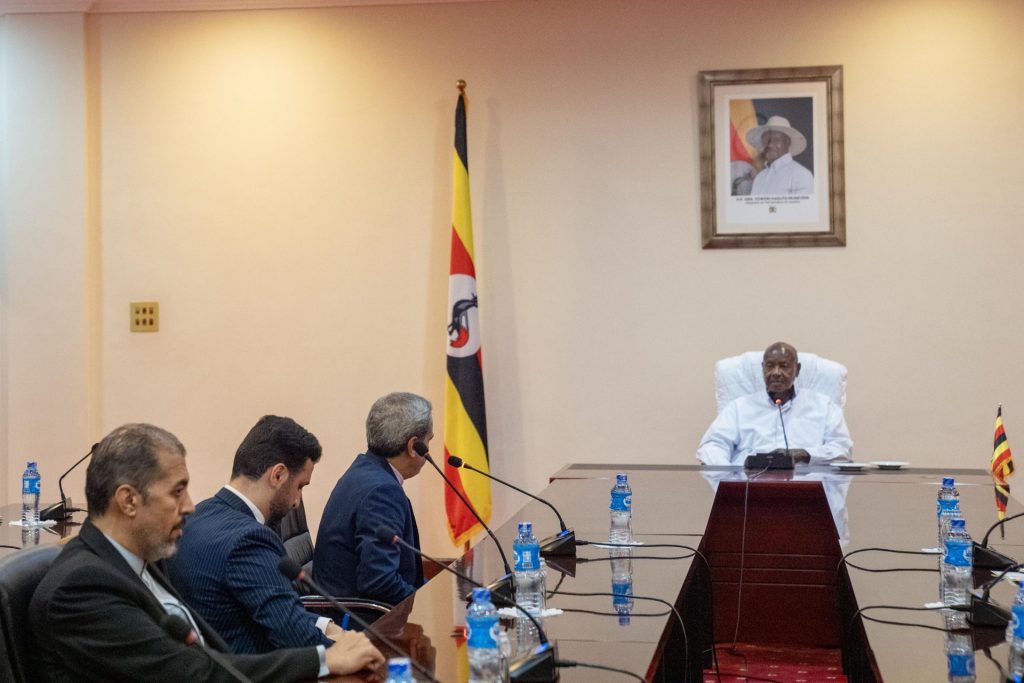
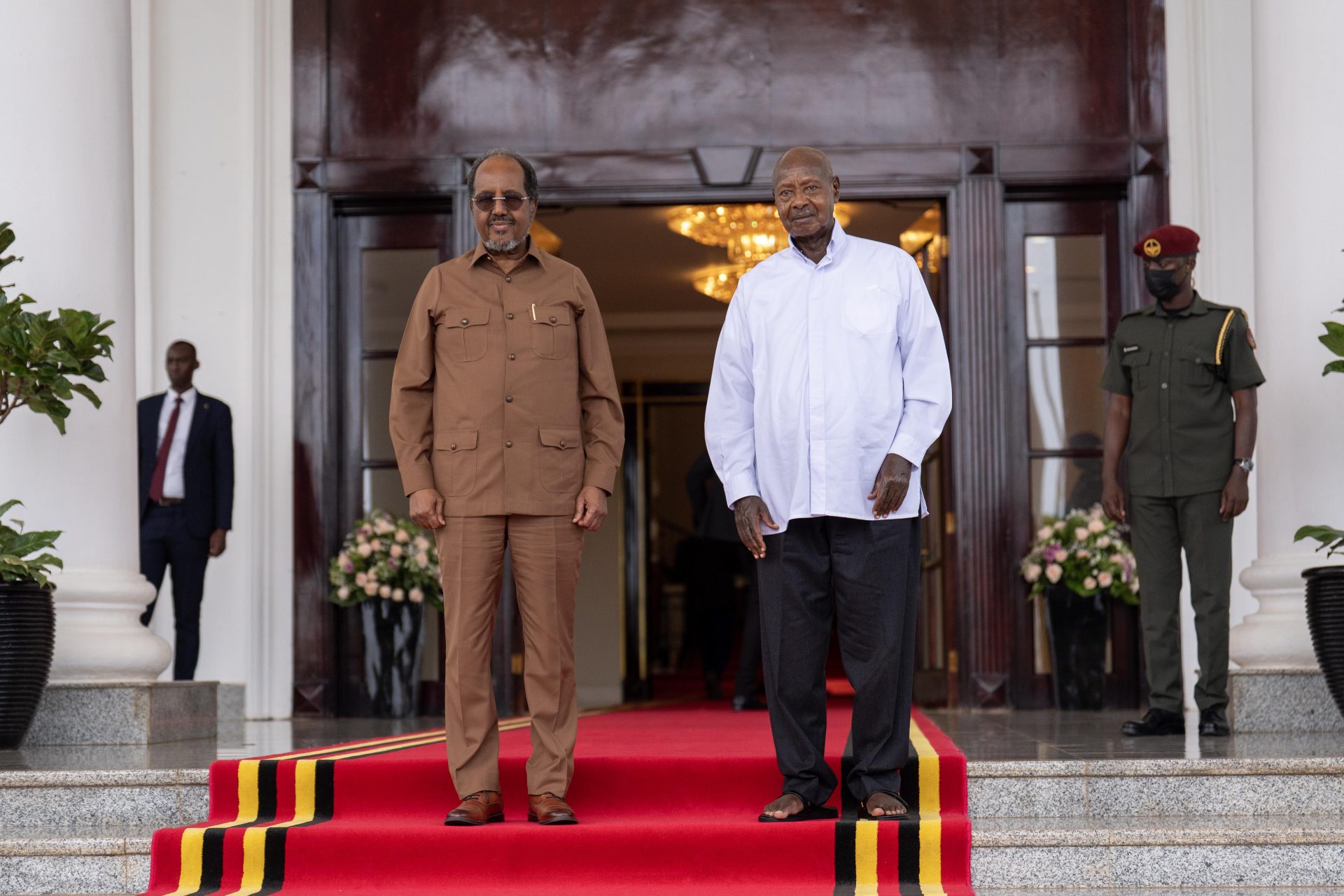
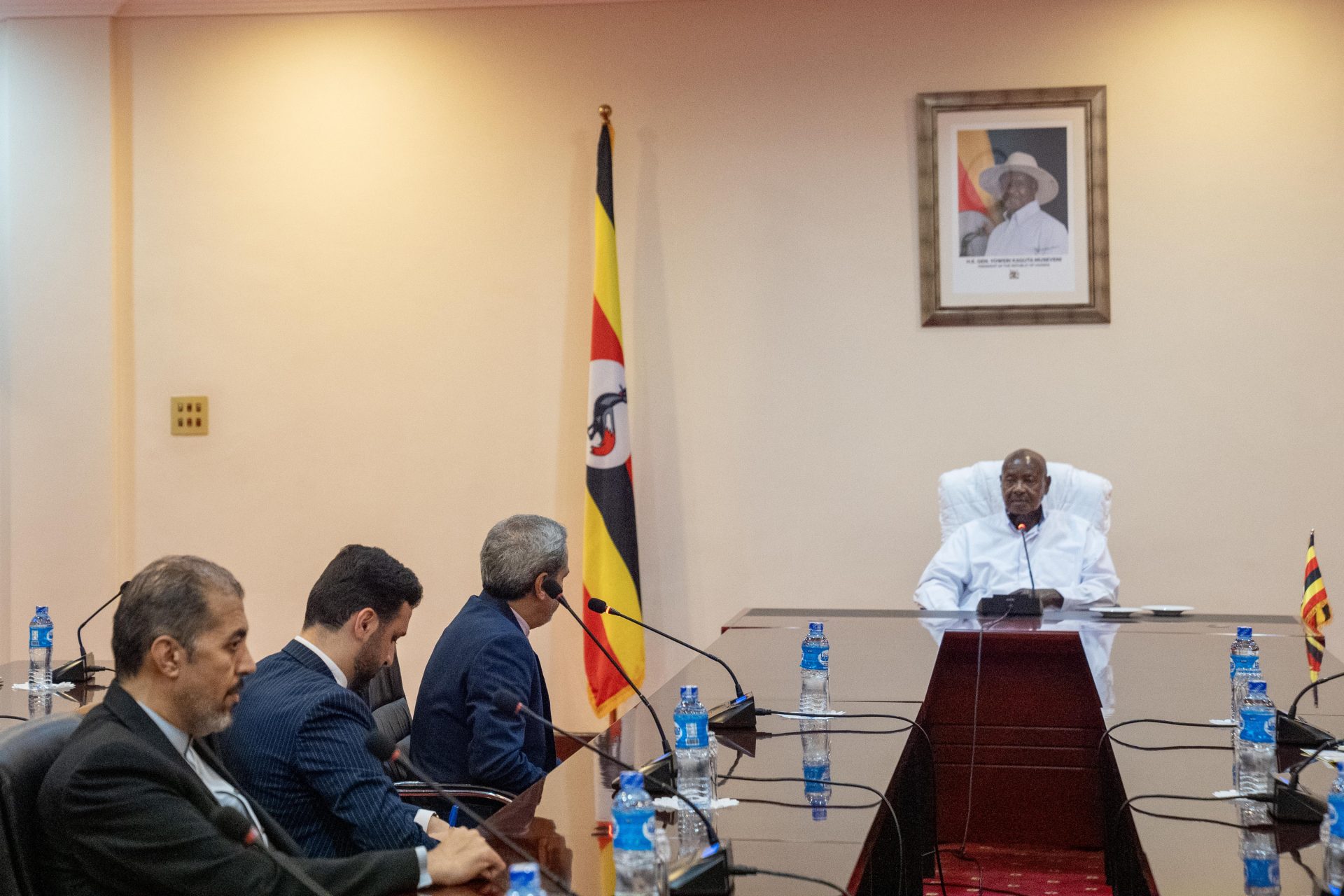
The President made the remarks on Monday, October 26, 2026, during a meeting with the outgoing Iranian Ambassador to Uganda, H.E Majid Saffar, at State House, Entebbe.
The meeting focused on strengthening bilateral cooperation in agriculture, healthcare and education, with discussions also covering agro-processing, the supply of seeds and fertilisers, agricultural machinery and investment opportunities.
President Museveni’s remarks followed H.E Saffar’s disclosure that Iranian investors were interested in establishing agricultural farms in Uganda.
“The best way is to build factories in Uganda to process agricultural products from our Ugandan farmers. Let the people here produce, and your companies process,” President Museveni told the Ambassador.
The President’s proposal emphasises a model in which Ugandan farmers supply raw materials while foreign investors establish industries to process them into higher-value products for local consumption and export.
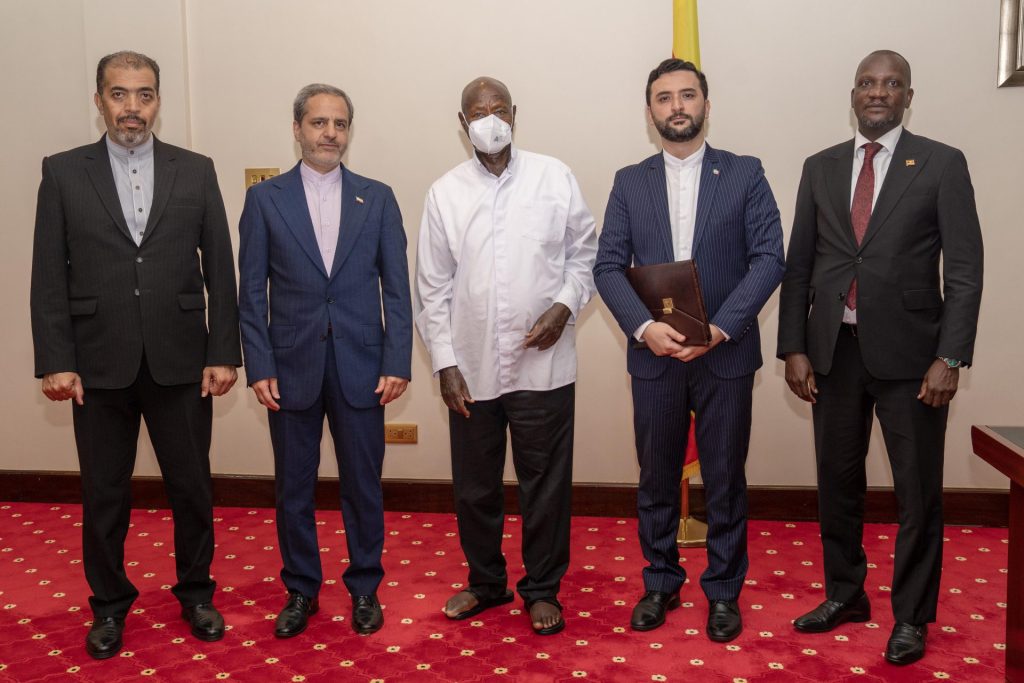
H.E Saffar said Iran was ready to operationalise agricultural cooperation with Uganda to promote commercial agriculture, trade and employment.
“You’re rich in agriculture, and there are a lot of Iranian companies interested in processing Ugandan agricultural products such as cocoa, coffee, pineapples, and we’re ready to support cooperatives and agriculture unions in that line to promote trade and job creation,” he said.
The proposed cooperation could provide opportunities for agricultural cooperatives and farmers’ organisations to access markets, strengthen production and benefit from increased demand for locally grown produce.
Beyond agriculture, the two leaders discussed expanding cooperation in healthcare and education, areas identified as potential avenues for strengthening relations between Kampala and Tehran.
President Museveni also thanked H.E Saffar for his service in Uganda and wished him success in his future diplomatic assignments.
“Thank you for a successful tour of duty, and I wish you good luck in your future assignments,” the President said.
The meeting also touched on the security situation in Iran and the wider Middle East, with President Museveni calling for an end to identity-based politics and urging countries in the region to recognise one another.
“I know the situation in Iran, and I follow it up very well,” he noted.
He argued that political and religious identities should not be used to justify hostility between countries or determine how communities relate to one another.
“My only advice to the Middle East is to stop the politics of identity. You have the wrong politics and wrong methods of solving problems,” he said.
President Museveni cited longstanding tensions between Iran and Israel, arguing that both countries should recognise one another while Israel should also recognise Palestinian statehood.
“Iran should recognise Israel. Israel should recognise Palestine,” he said.
The meeting marked the conclusion of H.E Saffar’s tenure as Iran’s ambassador to Uganda, with both sides expressing interest in strengthening bilateral relations through cooperation in agriculture, healthcare, education and trade.