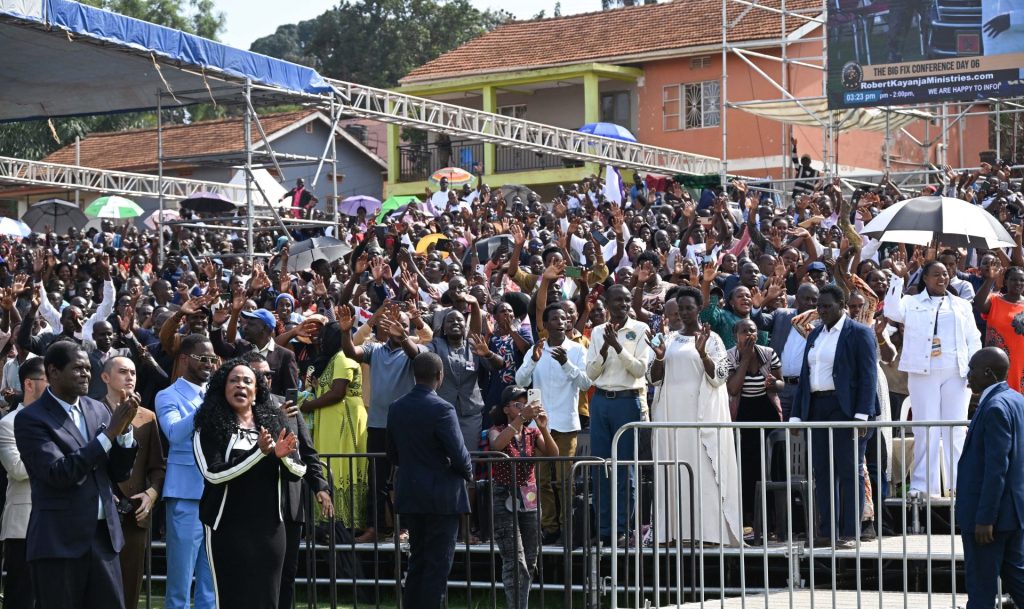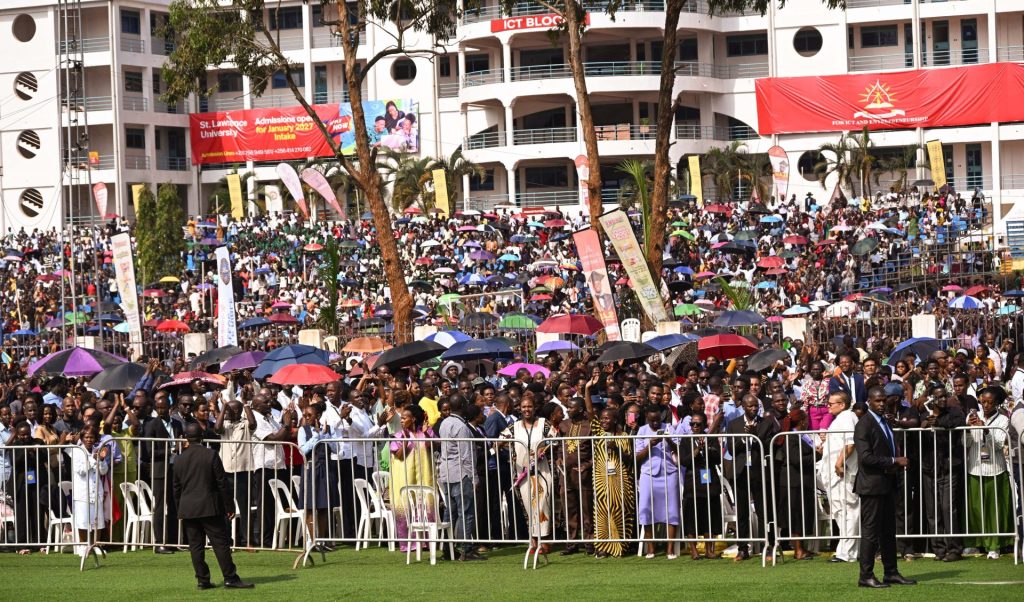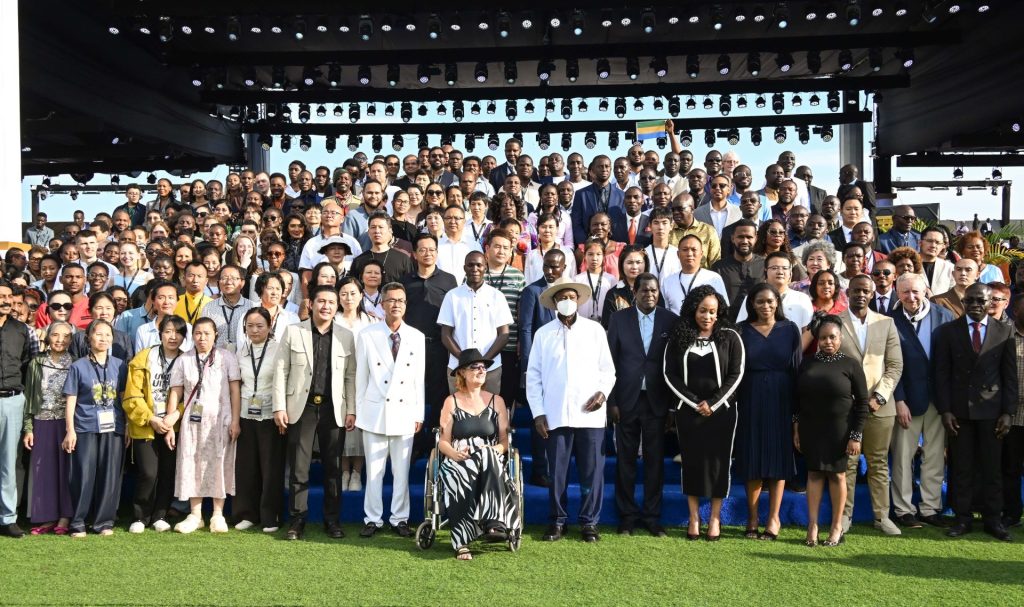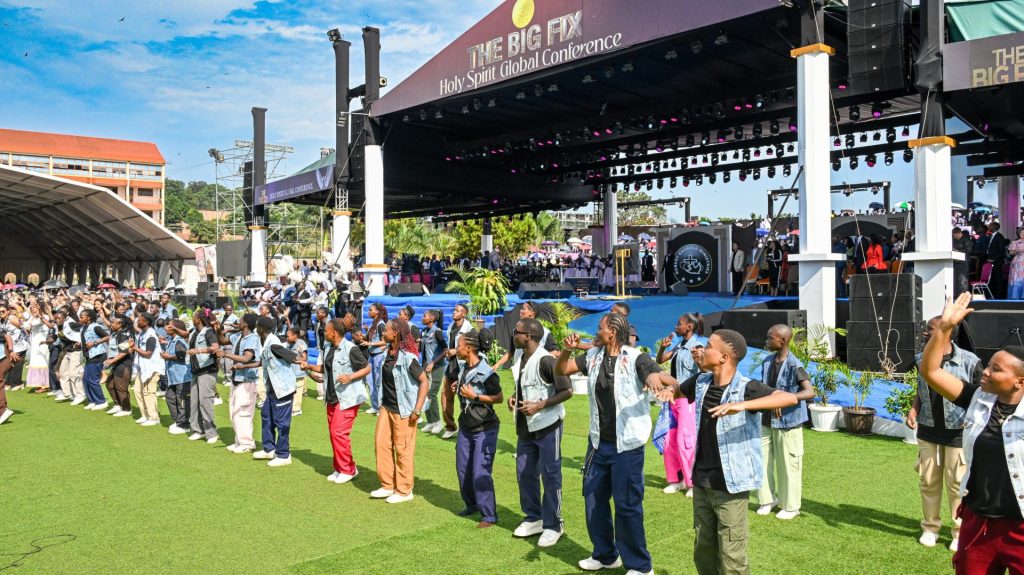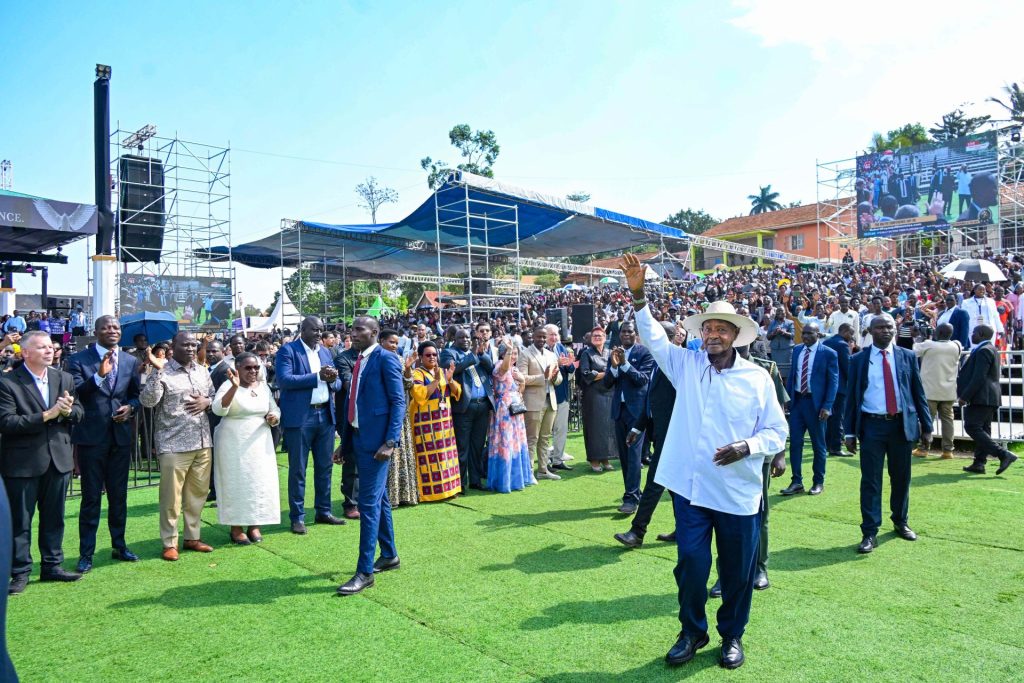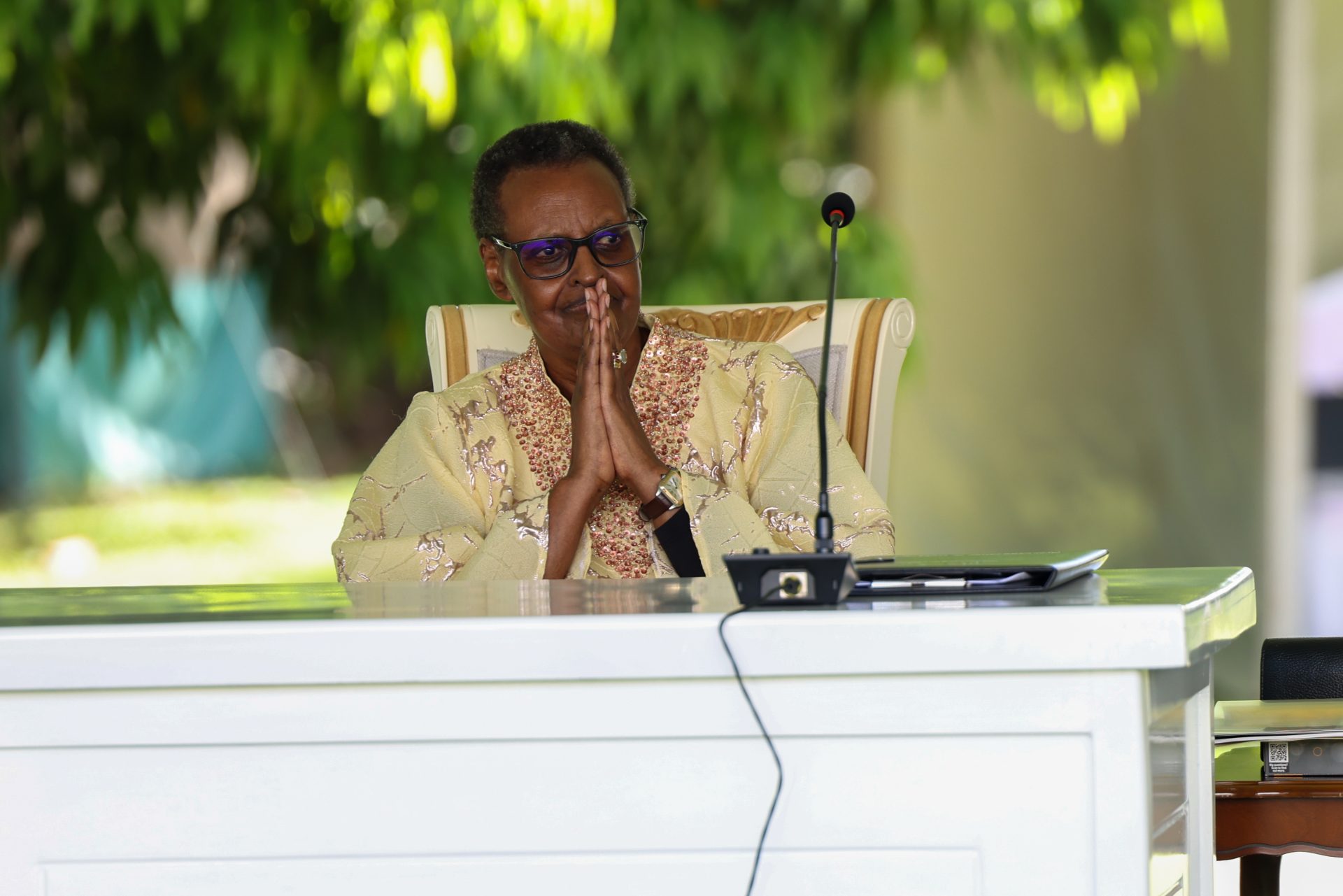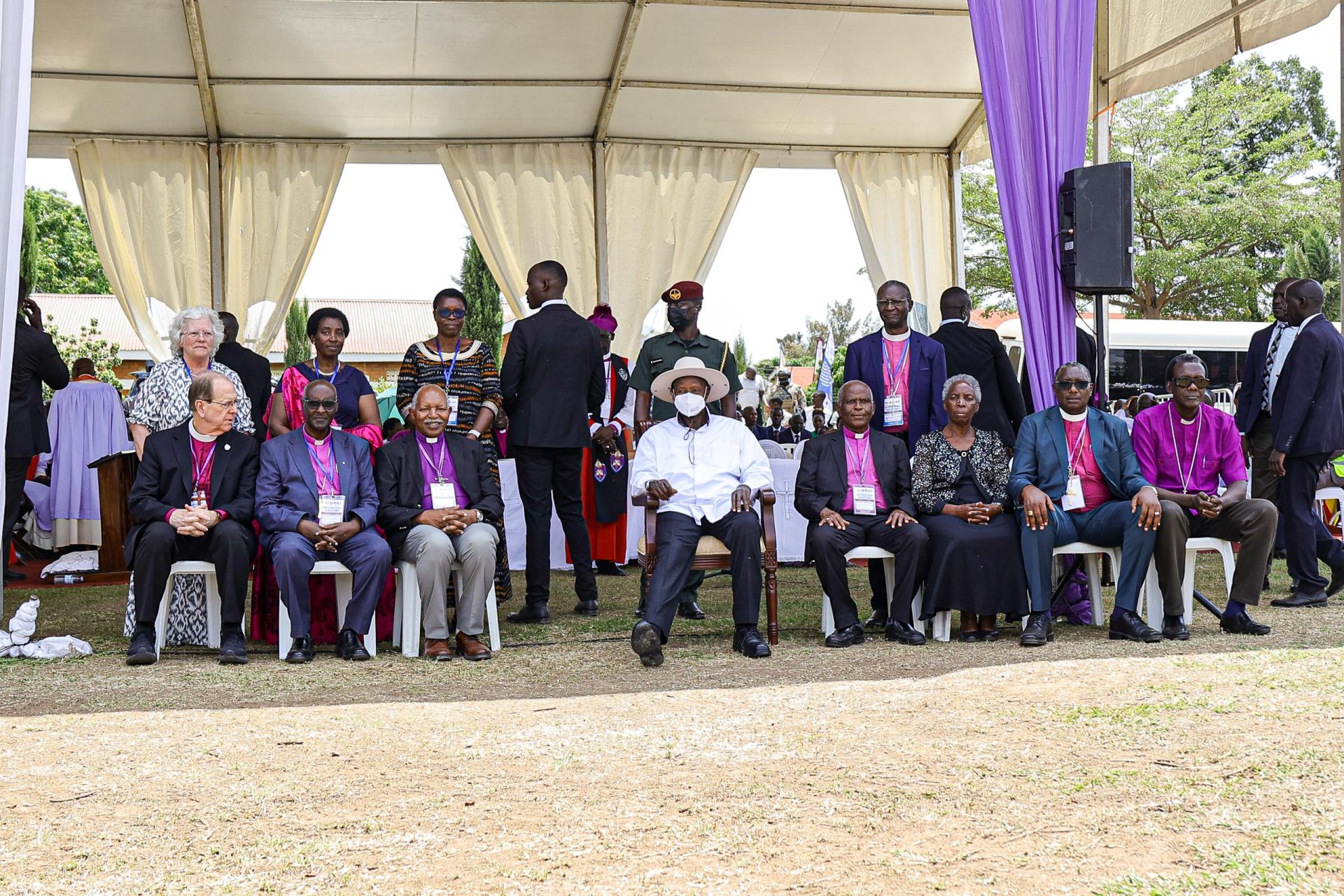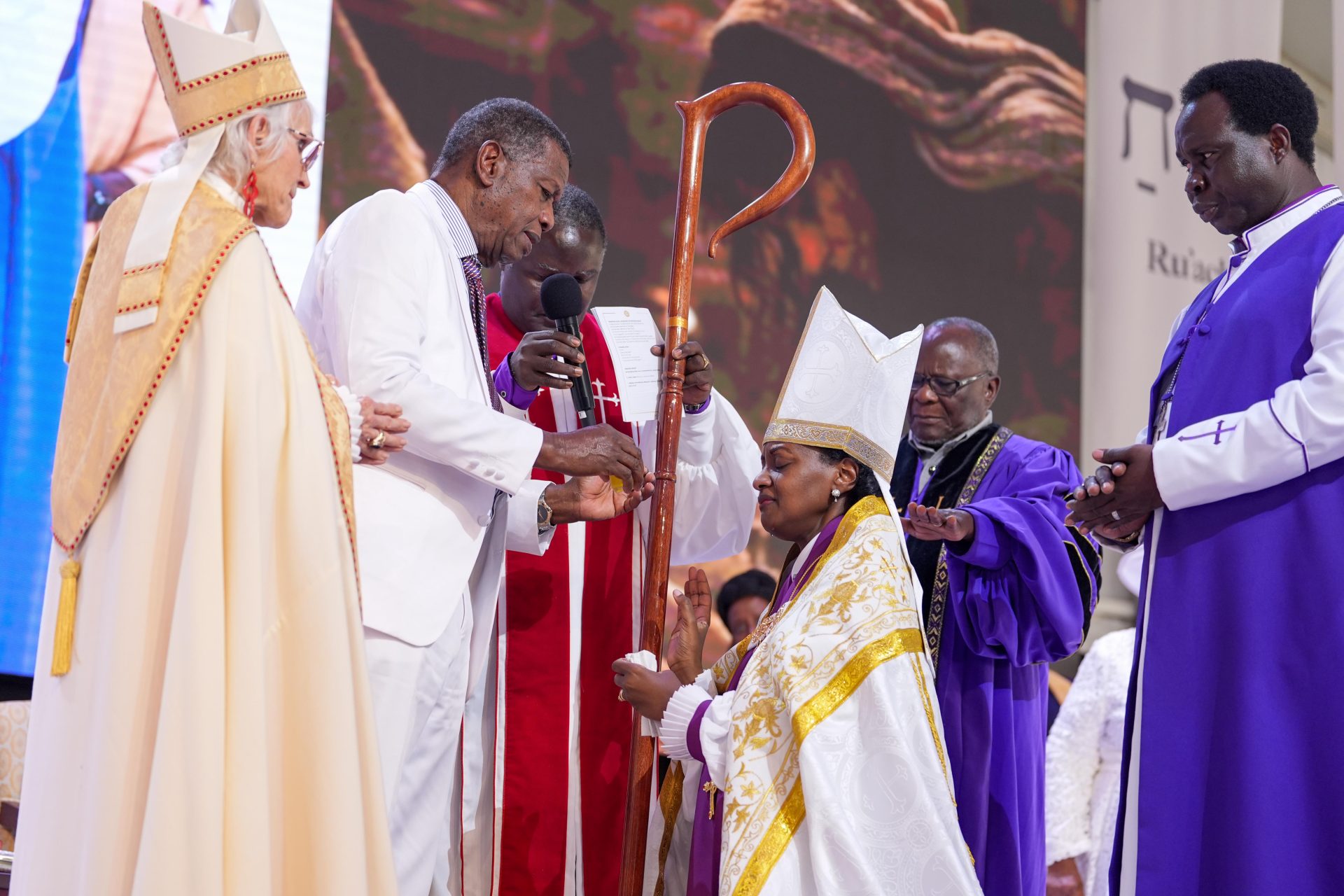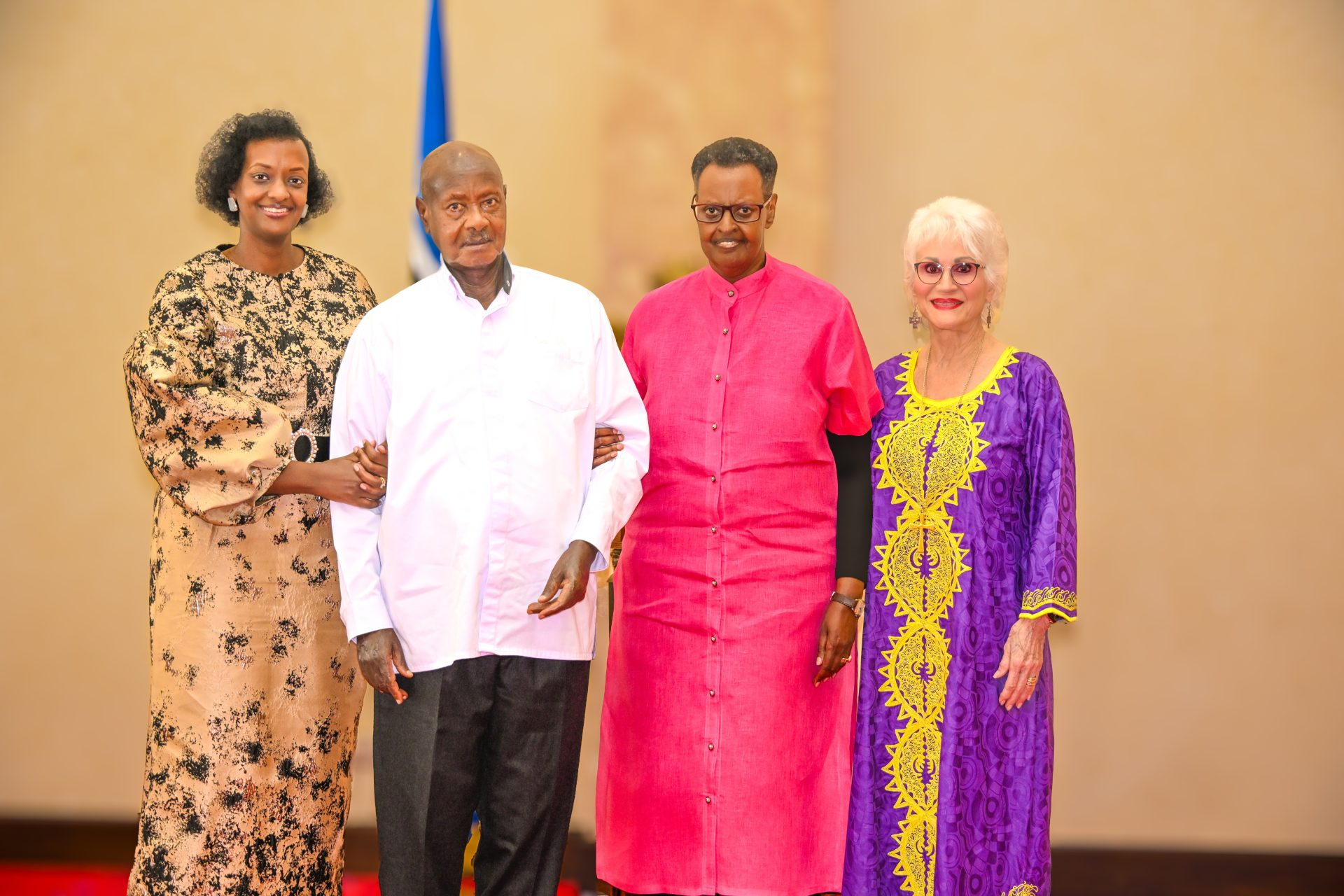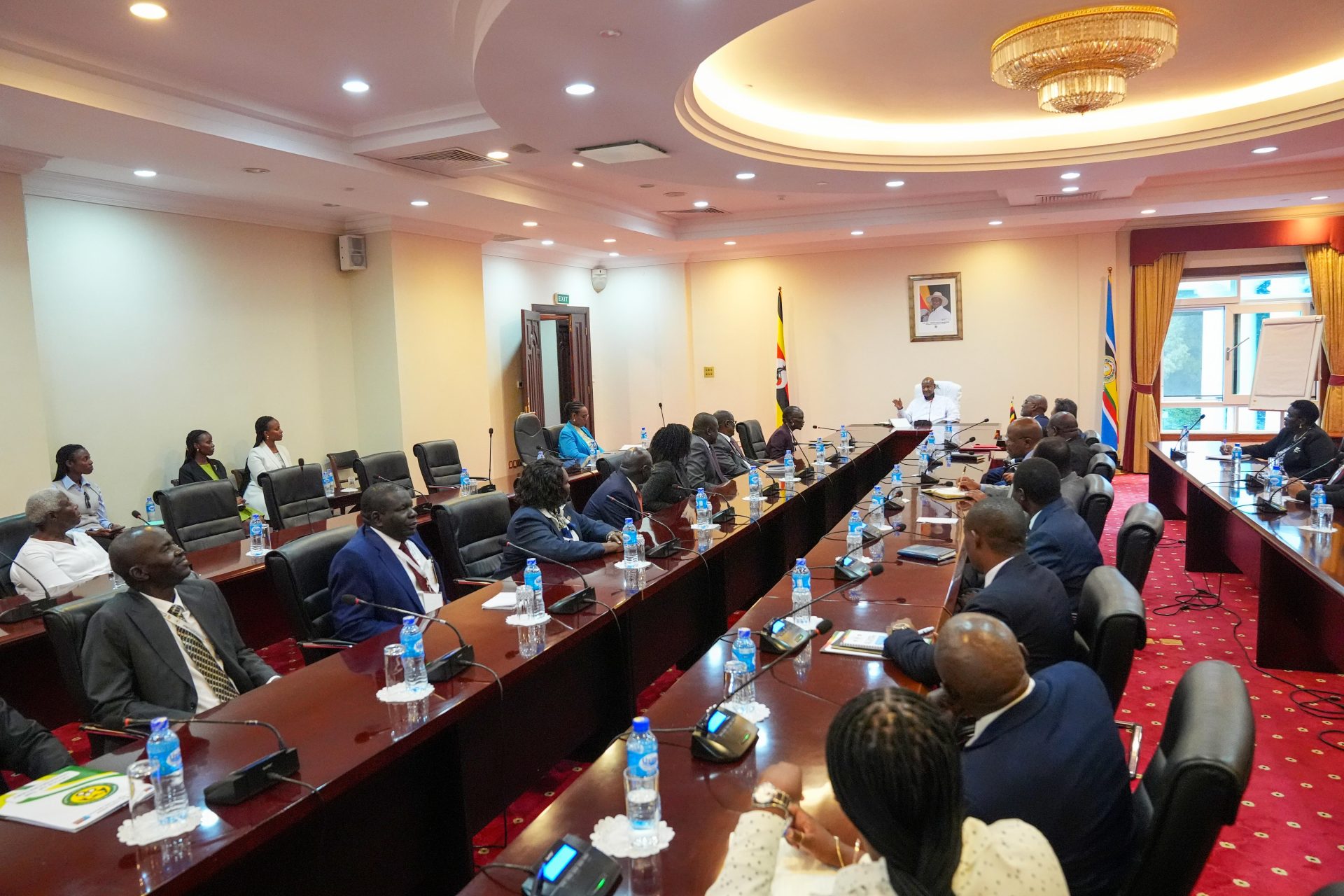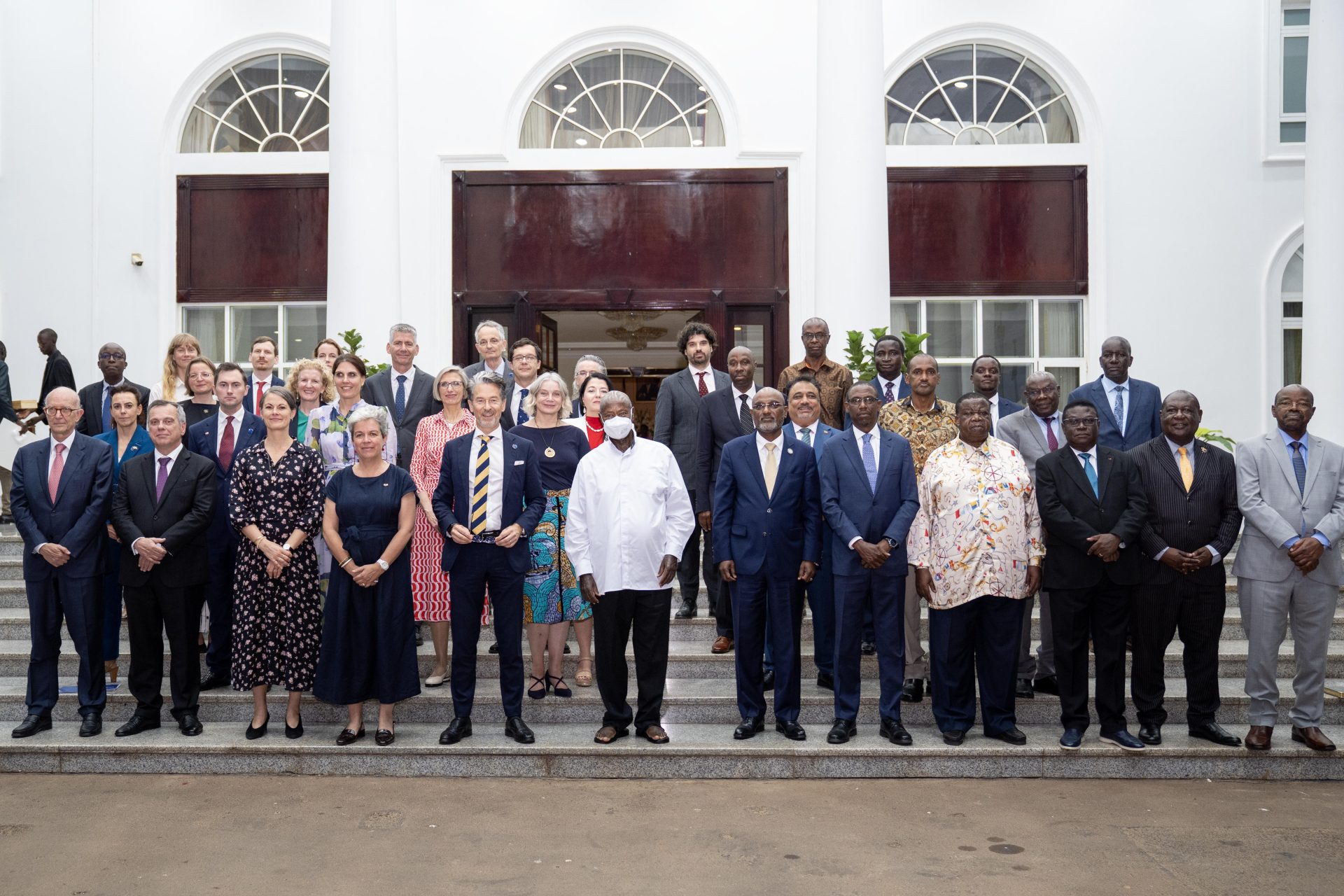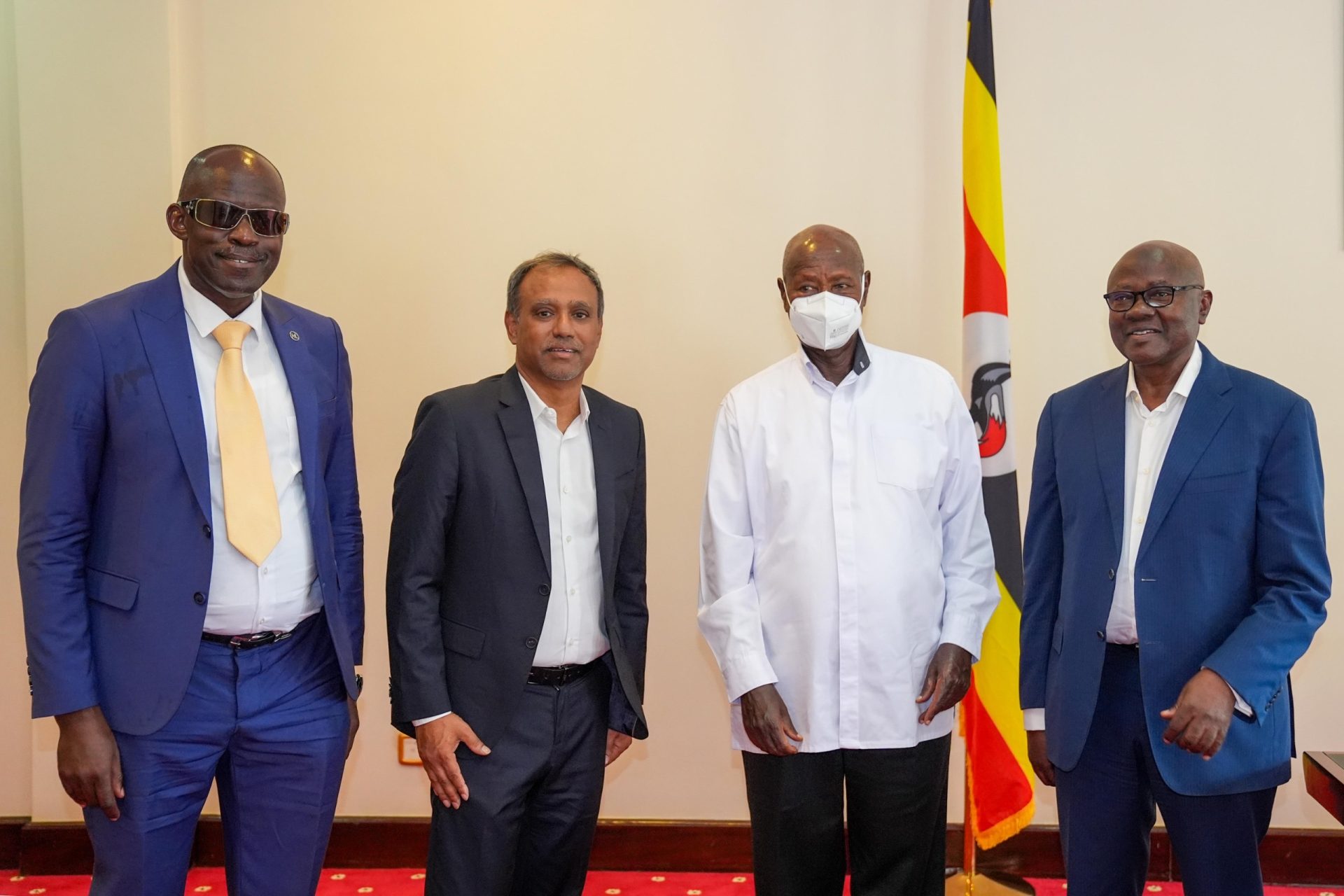

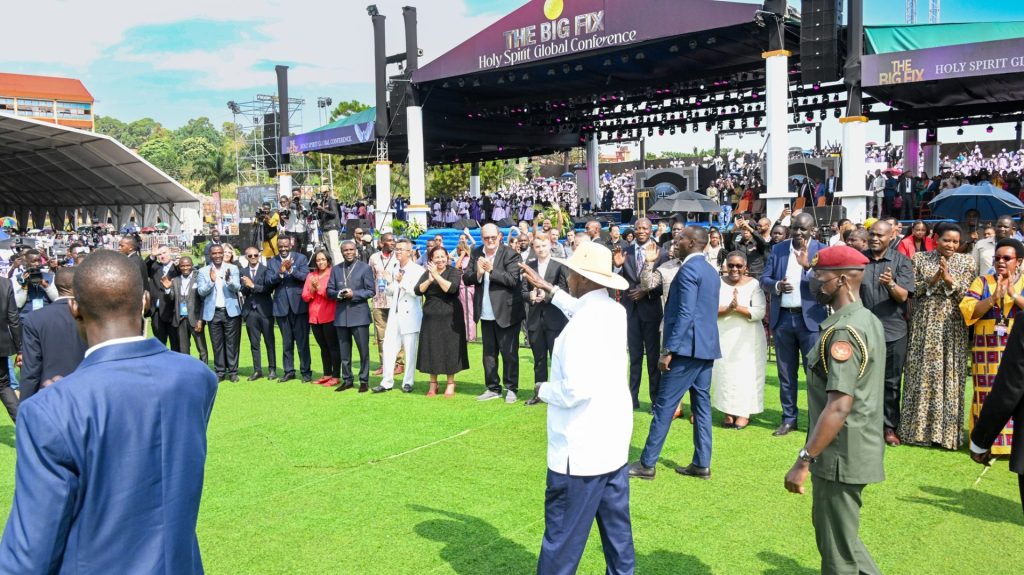
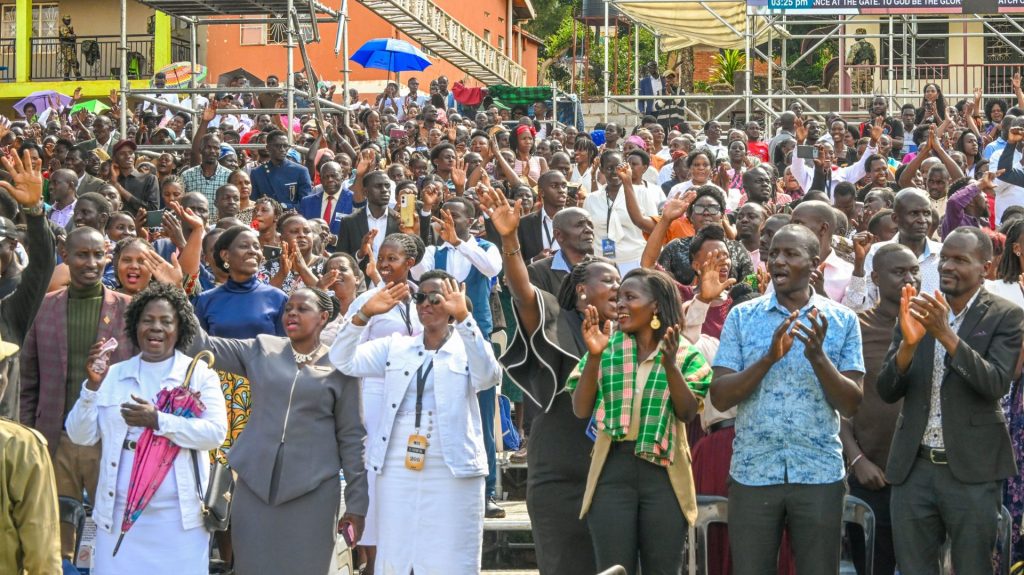
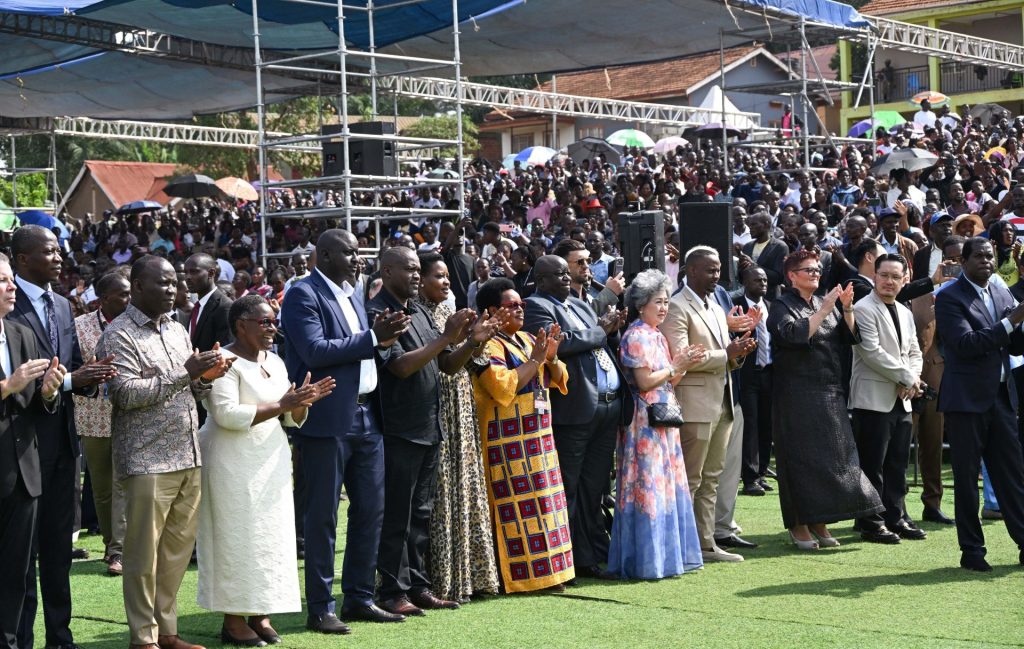
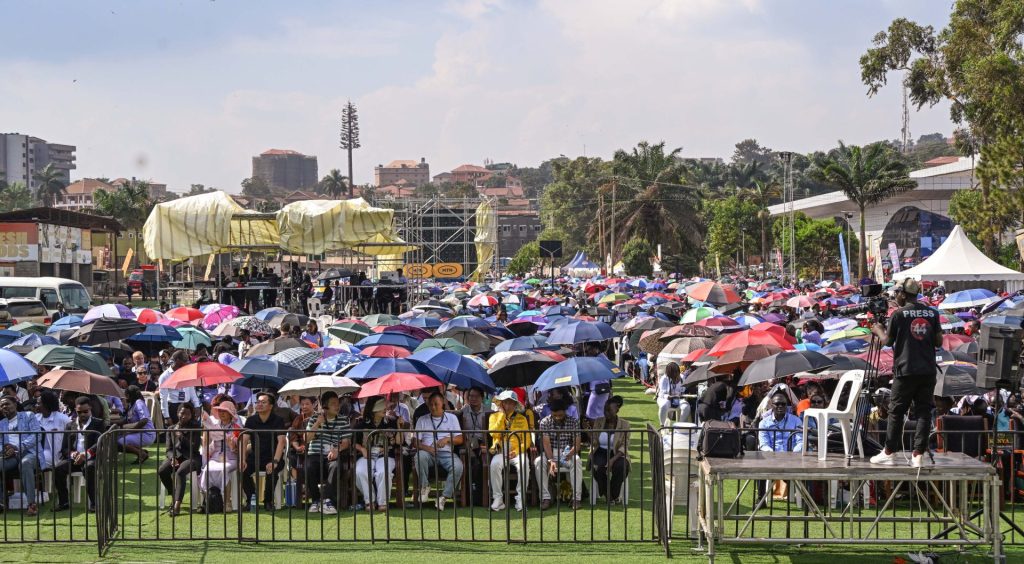
President Museveni made the remarks today while presiding over the Big Fix Holy Spirit Global Conference at Miracle Centre Cathedral in Rubaga, Kampala.
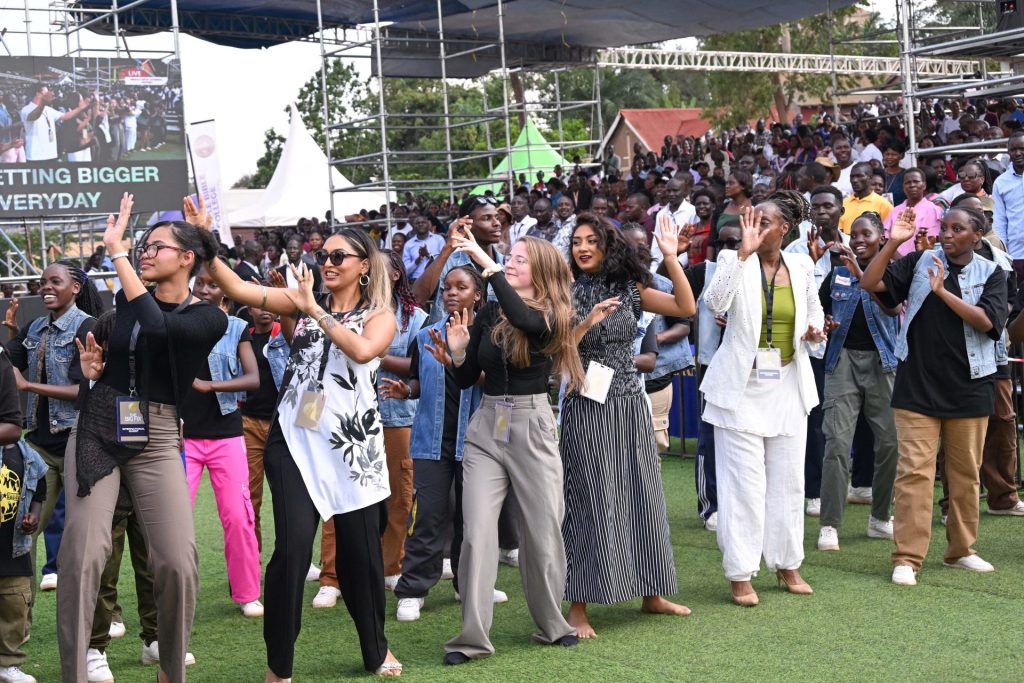
The seven-day conference, hosted by Pastor Robert Kayanja and Pastor Jessica Kayanja of Robert Kayanja Ministries, started from September 21 and is ending on Sunday, 27 has attracted Christian leaders and visitors from Uganda, Africa and beyond.
President Museveni said he was particularly pleased by discussions at the conference around African integration and the political integration of East Africa.
“I am very happy to hear Pastor Kayanja and other pastors talking about integration of Africa, political integration of East Africa. It is all music to my ears,” President Museveni said.
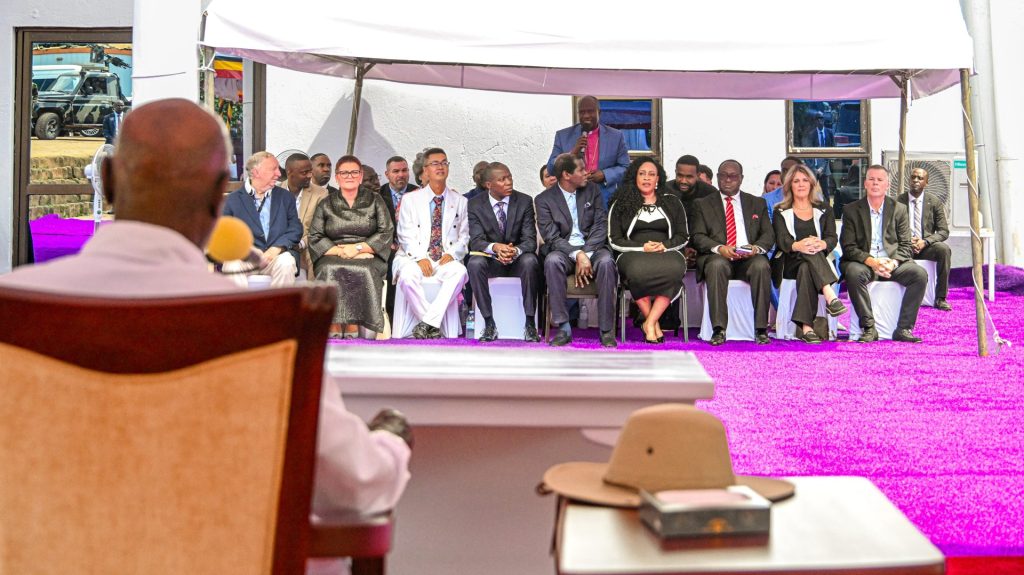
He thanked Pastor Kayanja and Pastor Jessica for bringing together an international network through which people could exchange ideas and build relationships.
“I greet all of you, Kenyans, Tanzanians and our visitors from abroad. Pastor Kayanja and Pastor Jessica, thank you so much for this super networking, because you have brought a very rich network with whom we can share ideas,” President Museveni said.
The President also praised Pastor Kayanja for what he described as multiplying the talents through work in different parts of Uganda.
“I am happy to be here and find Pastor Kayanja showing us what he has done in Karamoja, multiplying the talents, what he has done in Kiryandongo, multiplying his talents and inviting other Christians from different parts of the world,” President Museveni said.
The President’s remarks highlighted Pastor Kayanja’s work beyond the pulpit. In Karamoja, his ministry moved from emergency food relief during the region’s hunger crisis to longer-term agricultural intervention through the “Plough, Plant, Produce” initiative, which uses mechanised farming to support food production and livelihoods. The ministry says the programme has also created opportunities for local people to participate in farming.
In Kiryandongo, Pastor Kayanja’s Gold Meadow Farm has combined commercial agriculture with employment and skills development. The farm has included livestock, maize, bananas and other crops, alongside mechanised equipment and water infrastructure.
It was this combination of faith, production and community development that President Museveni pointed to when he spoke of Pastor Kayanja multiplying his talents.
From faith to prosperity:
Reflecting on his early involvement in Christian activities in the 1960s, President Museveni said his understanding of Christianity had long included questions of responsibility, productivity and the role of believers in improving society.
He said three historical missions had continued to guide the National Resistance Movement’s approach to Uganda and Africa: prosperity, strategic security and African integration.
On prosperity, President Museveni said Africans must focus on creating wealth through production rather than depending on handouts.
“You cannot achieve prosperity by begging. You need to produce a good or a service and sell it. That is how wealth is created,” President Museveni said.
He said this thinking informed the emphasis on patriotism, because economic progress requires people to trade and work across ethnic and regional boundaries.
“That’s why we embraced patriotism, love for Uganda not just as sentiment, but as a strategic necessity,” he said.
President Museveni said Uganda’s growing production later demonstrated the need for a wider African market.
“When Uganda began to stabilise, we found ourselves stuck with surplus maize, milk, sugar and bananas. That’s when we said, ‘Have you heard of Africa?’ Because if Ugandans cannot buy what you produce, your neighbours can. And so came our second principle: Pan-Africanism,” he said.
He identified socio-economic transformation and democracy alongside patriotism and Pan-Africanism as principles necessary for national development.
“You cannot modernise if you are only digging for the stomach. You must also work for the pocket,” President Museveni said.
Furthermore, President Museveni cited Uganda’s coffee and dairy sectors as examples of how production can transform household incomes.
He said coffee production had risen from about three million bags to nine million bags and that Uganda was targeting further growth.
“I mobilised our people and promoted coffee production, and that is how production moved from three million bags to now nine million bags. We are heading to 12 million and eventually 20 million bags,” he said.
On dairy, the President said production had also increased substantially since 1986.
“In 1986, Uganda was producing only 200 million litres annually. Today, production has increased to almost six billion litres annually,” President Museveni said.
He said the increase in production made regional and continental markets increasingly important.
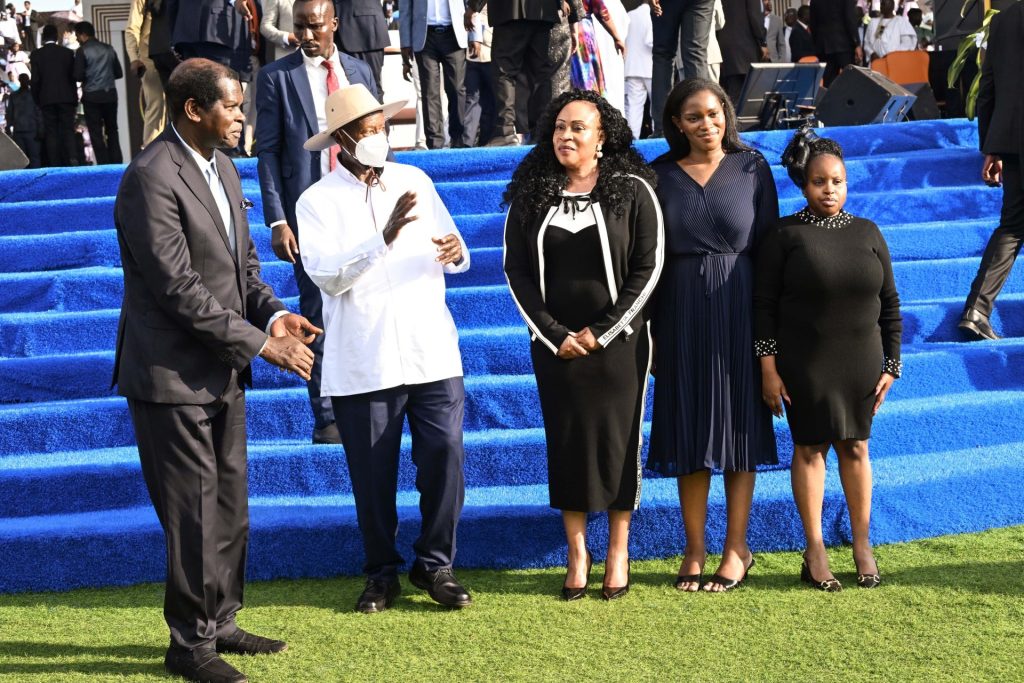
President Museveni recalled working with former Kenyan President Daniel Arap Moi and former Tanzanian President Benjamin Mkapa to strengthen the East African Community.
He said the East African Common Market existed but needed to function more effectively, warning that protectionist measures could hurt both producers and consumers.
The President said he was therefore encouraged by Pastor Kayanja’s call for greater African integration.
“When I came here and heard Pastor Kayanja talking about African integration, I said, ‘Praise the Lord,’ because we have already started the AfCFTA, the Continental Free Trade Area,” President Museveni said.
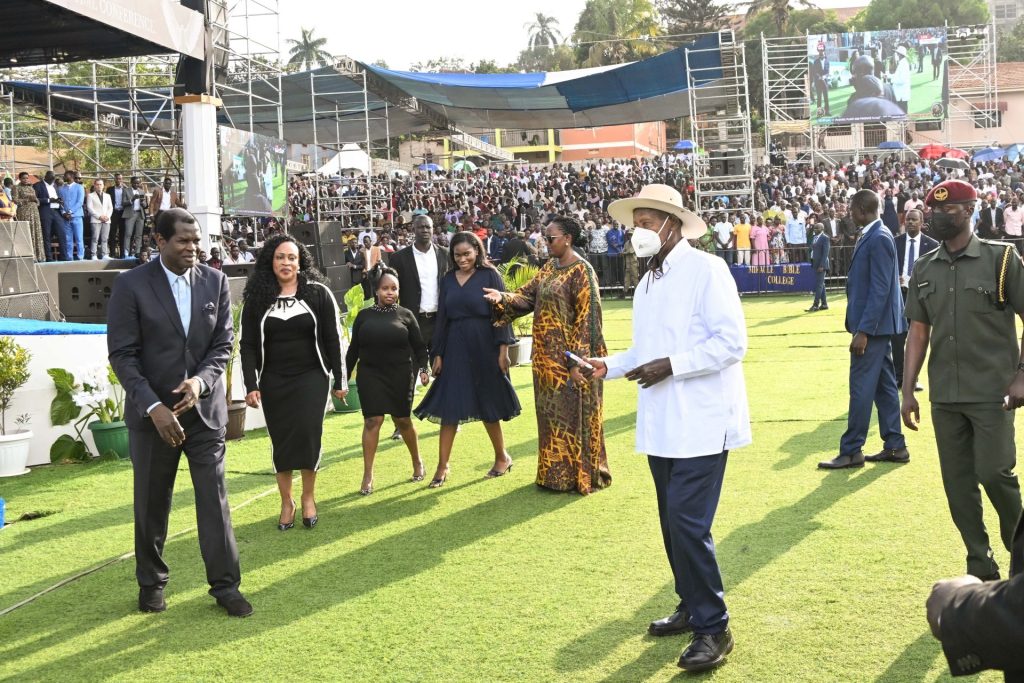
He said a stronger continental market would give African producers greater opportunities while deeper political integration could strengthen the continent’s strategic security.
President Museveni said East African countries should consider deeper integration in areas such as defence, foreign policy, citizenship and the common market, while allowing individual countries to retain responsibility for areas such as education and agriculture.
The President also called for greater global prosperity, arguing that the economic advancement of developing countries creates markets and opportunities for others.
“I am for global affluence; let everybody produce what they can produce better and we trade. Instead of fighting, what we want is a win-win formula,” President Museveni said.
President Museveni also welcomed the formation of a SACCO by pastors and pledged Shs2 billion to support the initiative.
“Finally, I am glad the pastors have formed a SACCO. Now it’s true, I am going to put Shs2 billion,” President Museveni said.
On his part, Pastor Kayanja thanked President Museveni for attending the conference and said the gathering demonstrated Uganda’s ability to host people from different parts of the world.
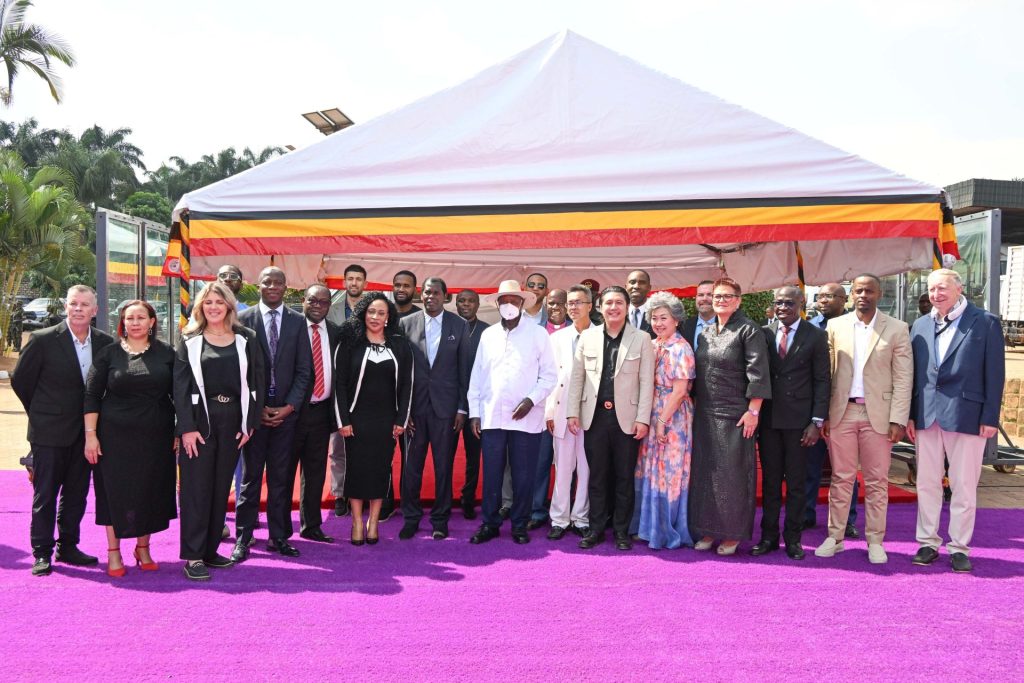
Pastor Kayanja said participants had come from countries including the United States, China, Germany, Ukraine, India, Turkey, Australia, Zimbabwe, Kenya, Tanzania, Zambia, Ethiopia, Botswana, Nigeria, South Sudan, Burundi, Eritrea and Liberia, among others.
“This is the testimony of your wise and announced leadership,” he said.
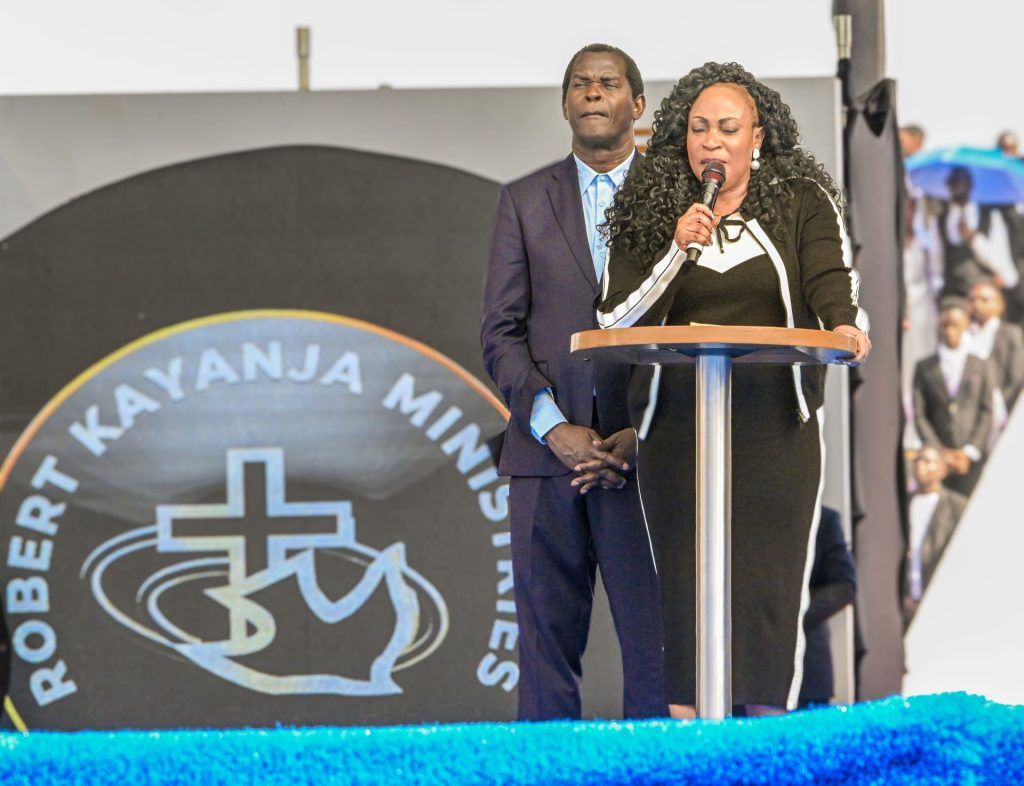
He also thanked Uganda’s security forces and recognised their role in maintaining an environment in which international visitors could gather for worship and fellowship.
“Thank you, Mzee, for coming here to teach us your people,” Pastor Kayanja told the President.
He described the conference theme, “The Big Fix,” as a reflection of the belief that God can restore individuals, communities and nations.
He also praised President Museveni’s leadership, citing infrastructure development, education, the fight against HIV/AIDS and the restoration of cultural institutions.
Pastor Kayanja further revealed plans for a Shs5 trillion milk project through the “Cow bank initiative” that targets to rally hundreds of Christians to rear cows for mass milk production.
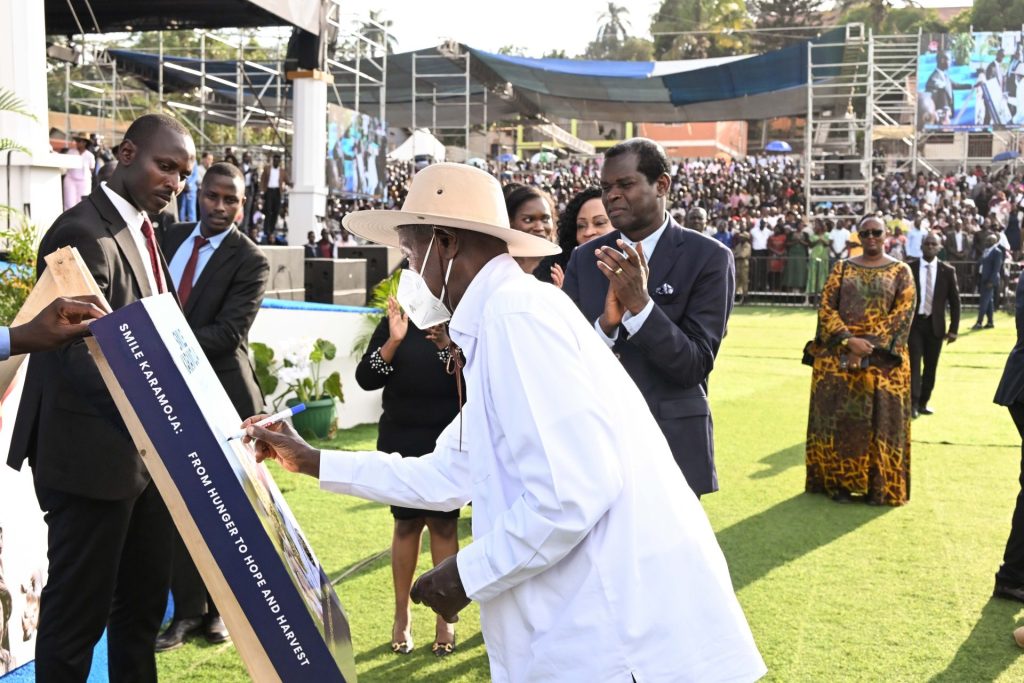
At the end of the event, President Museveni launched three books, including Smile Karamoja: From Hunger to Hope and Harvest, highlighting the transformation and renewed hope emerging from the region.